
I preached this sermon on May 11, 2025 at St. Anne Episcopal Church, West Chester, OH. The lectionary text cited is John 10:22-30.
I have been told many times throughout my life (as I am sure you have been, too) that patience is a virtue. My track record with that is mixed at best.
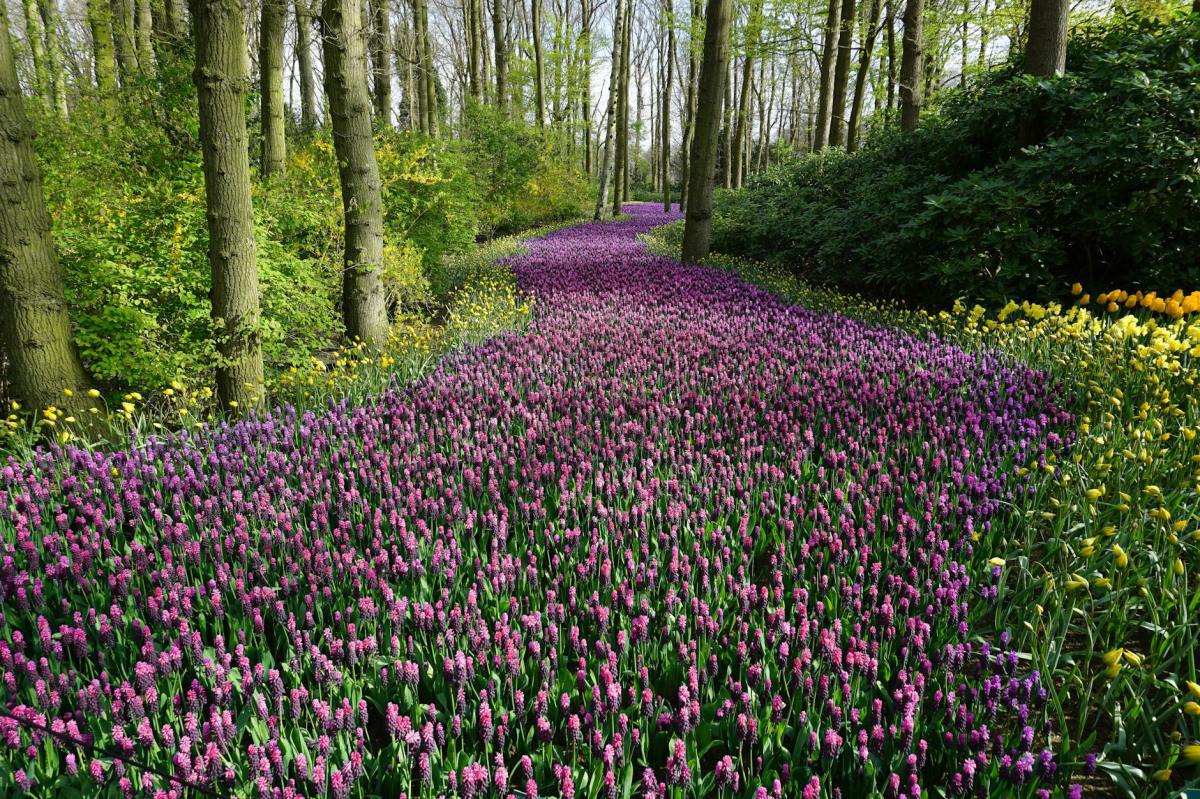
Especially in springtime. Most years when I was growing up, right about this time, when the May afternoons become warm and breezy and filled with the scent of mown grass and flowers, I felt anything but patient—because the promise of summer felt so close, so tantalizing! Everything felt possible. Patience? Who needs it? That was something for boring old grown ups—I wanted freedom and sunshine and ice cream cones that dripped on the sidewalk and those long, campfire-scented nights when we listened to the old stories and sang the old songs. I was impatient, impatient for all of it.
And then a bit later, like some of our graduating teens whom we are celebrating today, you start to feel a new form of impatience for “real life” in the world beyond childhood, when you get to make your own decisions and mistakes and discoveries. The May of senior year of high school is sort of an icon of impatience, though usually a joyful one.
But frankly, as I have become more and more like those boring old grown ups, I’ve discovered that the whole patience thing never magically materialized with age. There are still so many things that I want–eagerly and anxiously–things I do not want to wait around for forever. Because as you go along through life, you realize the preciousness of time, the preciousness of experiencing everything you can, while you can.
And you also notice the deep needs and challenges and pain of the world around you, too, and you start wonder whether “patience is a virtue” might’ve been something coined by those who simply want the rest of us to be quiet and give up our dreams and our collective agency. In our own lives and in our common life in this world, more often than not what I really find myself wondering is not how to be more patient, but what, on earth, we are waiting for? Let’s go!
I love life too much, I love the world and the people in it too much to wait on truly being alive in it. So I think today, I think now, I think in all truth I am interested in the virtue of urgency. The virtue of loving, compassionate urgency.
Some of the personal circumstances of my life are surely shaping that feeling, but to be honest, I think I am still and always have been that kid who is eager for freedom and sunshine and sweetness, and I think most all of us are, deep down, in our own ways. The problem, the fundamental problem, is not that we are impatient—it is that we are too willing to wait. We are too willing to forestall what is truly important. We put off waking up and seeing the beauty and the goodness that we were created to be and called to build in the name of God.
So yes, I want to seek the virtue of urgency. Urgency to do something real that contributes to God’s kingdom. Urgency to love without discrimination. Urgency to listen and respond to the people around me, like Jesus did. Urgency to stand up to what is wrong and dishonest and harmful. Urgency to be the sort of person who is unashamed of the Cross of Christ and who is unabashedly confident in the promise of his Resurrected Life.
And I think that is what Jesus wants from all of us, really. Now, I know that patience is named as a fruit of the Holy Spirit in Scripture, and there are indeed times when we must slow down and seek the capacity to endure, to persist, to trust in God when we can’t see the road ahead.
But more often than not, I think Jesus wants us to get a little more urgent in our discipleship: in our living and our loving. A little wilder, a little bit more free. A little bit less like a boring old grown up and more like what we once were and still are—an open heart, running down summer sidewalks, licking ice cream cones and chasing stars.
Note this morning’s Gospel passage. Jesus is walking in the temple, a very serious grown up sort of place. He is approached by some Jewish leaders, and they have an urgent, rather insolent question for him. “How long will you keep us in suspense,” they ask. A better translation of the Greek is, how long will you keep wasting our time? If you are the Messiah, tell us plainly.
And you can’t really blame them. They have good reason to be impatient. They are not just longing for summer freedom, they are longing for true freedom—from oppression and suffering and exploitation. They are impatient for hope. And I think we all know what that feels like, we who have had too much of disappointment.
But as is so often the case, it’s Jesus’ reply that I find so compelling. You might think he’d say, now, now, my brothers, wait and see. Patience is a virtue. You’re just gonna have to be quiet and hold tight and buckle down til your salvation comes.
But that’s not what Jesus says. He is, instead, equally insolent, equally blunt. I have told you. You want a Messiah? You want salvation and liberation? I have told you all about it, and you do not believe. I’m waiting on you, my brothers and sisters!
I am standing here, I am standing here, Jesus says. I am God, standing here asking you to do something, anything other than sit around waiting for God’s Kingdom. I am asking you to live the Kingdom with me now, to build it with me now! I am God standing here, just as impatient as you are for the healing of the world. That’s why I came and why I am willing to die and to rise again. I am God standing here with my love and my life and my Spirit poured out for you like an ice cream cone melting in the summer heat, asking you to taste of its sweetness. Asking you to urgently live a life shaped by love and justice rather than patiently waiting for someone else to do it for you.
Thanks be to our urgently loving God.
And with all due respect to patience is a virtue, I do not want to be patient for the things of Jesus—the things of truth and beauty and goodness in this world—and I don’t think you should be either. If someone comes through our red doors, let them come away saying, wow, those people are not waiting around on the Good News. They’re running with it! They’re doing it! They are living with compassionate urgency and my God, what if all of us did that? How different things could look.
And if we are going to be the sheep of the Good Shepherd, then let us be the wild unruly sort, the kind who are utterly impatient to run through summer fields and to bless the earth as we stumble along through the flowers. Let us cause a stir for love’s sake. Let us make a bit of a mess for righteousness’ sake. And when people tell us to be quiet and shut up about love and to just be patient for the Kingdom, let’s do what all good sheep do—let’s not listen. Let’s chase it, right now. Let’s help it spring up, right now. Let’s never stop.
And sure, maybe we all start to look like boring old grown ups after a while. And I definitely can’t eat ice cream like I once did. But oh, oh, in here, in my heart, I am still trembling at the promise of springtime. I am still wanting to huddle in close to the firelight and hear the old stories and sing the old songs. I am still wanting to chase the stars and make my own discoveries and for all of us to be free. All of us, together, with Jesus, our Shepherd, leading the way.
So if patience is a virtue, I am still looking for it. Maybe I’ll find it some day.
But in the meantime, you’ll find me out there somewhere, running towards summertime. Running towards love. Running towards the God who is always, always running back towards us.
It is May. Everything is possible. And we’ve all had enough of waiting. So let’s go.
 By Another Road