
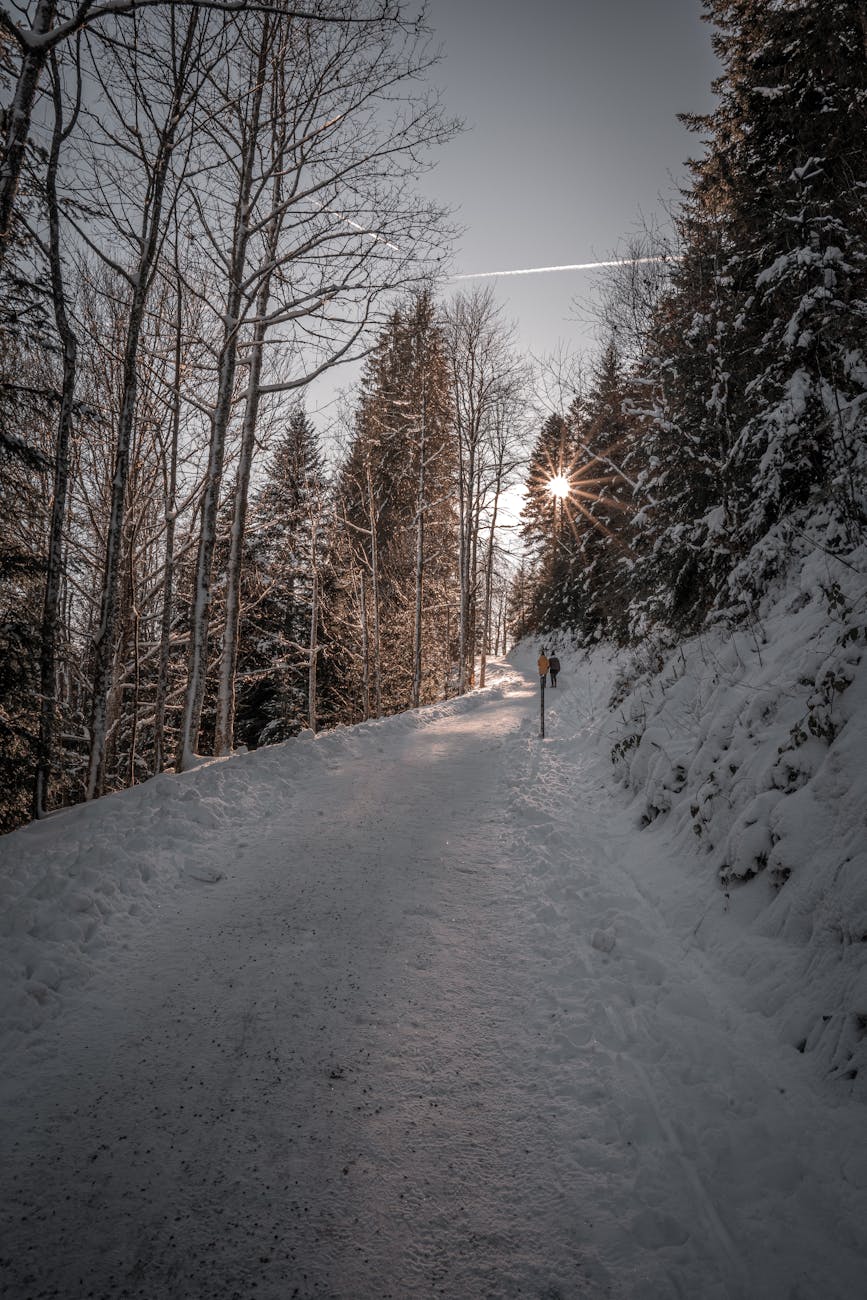
I preached this sermon on Sunday, January 5 at St. Anne Episcopal Church, West Chester, OH. The lectionary text cited is Matthew 2:1-12, the journey of the Magi to see the baby Jesus.
Some of you know that I post the text of my sermons each week on a little blog site I created several years ago. I’ve always loved writing, and it started out as a helpful way for me to share some of my early sermons and reflections with a few family members and friends. It has transitioned into, I hope, a convenient way for anyone to go back, if they want to, to see what exactly I was attempting to say on any given Sunday—whether because you found it interesting, or perhaps because it made no sense at all. I make no promises!
It is the humbling labor of a preacher each week to launch out our words as an offering to the community we serve and out into the universe as an offering to God. We hope, at best, to leave behind a small impression—which can feel like trying to skip a stone on the surface of the sea.
But I digress. The blog where I post my sermons and skip my stones is titled By Another Road, and folks have asked me on occasion why it’s called that. Well, in this morning’s Gospel reading, you have your answer. I took it from Matthew’s account of the Magi (or Wise Men) who, after visiting the baby Jesus and having been warned of King Herod’s nefarious intentions, decide to travel home “by another road.”
On its face, this little phrase is just part of the plot—the Magi literally have to go home a different way in order to avoid an awkward or dangerous conversation with Herod. They’ve accomplished what they came to do, paying homage to this newborn king, and now they slip down a back road to their own homelands.
But for me, at least, this phrase, by another road, always meant something more. Maybe it’s because, for various reasons, I have known what it feels like to be “other” myself. When a person feels different somehow from those around them, you come to know what it means and what it costs to walk a road through life that some people cannot—or choose not—to understand.
This can be many things. For some, this “other road” is tied to an identity we carry with us; for others perhaps it is shaped by our personal or family history, or our physical limitations, or the unexpected responsibilities and challenges that life has visited upon us. The more I live and serve as a priest and hear people’s stories, the better I understand that we are all traveling “by another road” of one sort or another.
And what I became convinced of at a particular point in my walk with God, and which I fervently believe is the basis of our faith, is that the story of following Jesus is less about conforming ourselves to one straight and narrow, conventionally acceptable path, and instead is about opening our hearts and our eyes and our minds to recognize how God is present on every road we must travel. And that God is present, too, on the roads we do not recognize—the ones walked by people very different from us.
The point of being Christian is found not so much in which road we take, but how we travel. Are we going gently and justly? Are we helping others along the way? Are we stopping to notice the beauty of the world around us and giving thanks for it? Are we treating those whom we meet as adversaries, or as fellow pilgrims?
To travel by another road, ultimately, means seeing the world as the Wise Men did after their encounter with the Christ child—once they decided to opt out of whatever political intrigue they’d been drawn into. It is to see the world no longer as place of transactional relationships and personal ambitions, but as a network of winding paths—all our pasts and futures and sorrows and dreams, all converging, ultimately, beneath the star of Bethlehem, in the flesh of God, and in the humble gifts we offer to one another…all of us skipping our stones on the surface of the sea.
And to be a follower of Jesus is to commit to walking whatever road we’re on as if all of this is true and worthwhile. Because in every worship service and in every act of service to our neighbor we affirm that it is—that God was born into this world to bless every pathway we have stumbled upon, and even to journey by another road of his own, to the Cross and beyond.
Now, I’ll admit that the idea that there isn’t just one road, one perfect way to “do” this Christian life, and that—heaven help us—there might even be holy pathways for people who look or love or live differently than us— might be a bit disorienting, even offensive to some. So be it.
But I’ll tell you—it’s this realization–that God was with me on my own road, that Jesus wanted to walk with me just as I am–that saved me, and continues to save me every day of my life. And I suspect, because you have found a sense of home at St. Anne, that might be true for you, too.
Because the other thing I love about the story of the Magi is that they, themselves, discovered in their encounter with Jesus that it was ok to be different. They were not Israelites. They weren’t part of the in-crowd in this story. And yet God, as a child, welcomed them as any child would—full of love and trust and wonder. These Magi were enough, just as they are; they were loved and blessed not because of the particular road they have traveled, but simply because they have come. And so it is for you.
I hope we learn something from all of this. And so, if I could ask you to do two things, my dear friends, at the outset of this new calendar year, it would be this:
First—take some time to look at the road you’re on, whether in this past year or maybe for your whole life. Maybe it’s not perfect. Maybe it’s been hard. But I want you to kneel down and bless that road, and bless the body and soul that has carried you on it.
I want you to trace a cross in the dust of this road you’ve been walking, trace a cross over the story you’ve been carrying in your heart, over the questions you’ve been asking, over the fears you’ve been fearing, and I want you to say to yourself, God is on this road with me. Jesus is on this road with me. And so I will travel it with my head held high, with a sense of love and purpose and care, because like any other road, it is made sacred by the journey.
And second—take some time to learn about the road someone else is walking. Maybe someone close to you whose life just doesn’t make a lot of sense to you. Or maybe someone you’ve lost touch with. Or maybe a community of people whose life experiences differ greatly from yours.
In whatever way you can, whether through conversation or study, try to understand the road that they are walking. Maybe you can ask them those questions I suggested last November: What do you love? What do you fear? What do you hope for? And another important question one of you added to that list: What can I do to help?
Because the Epiphany that we speak of this time of year—the Epiphany of God’s revelation in our midst—is not just about the news of Jesus born in Bethlehem all those years ago, visited by wise men and feared by kings.
No, the Epiphany is also that God is still here with every one of us, no matter which road we’re on—the winding roads and the dangerous ones; the placid pathways and the ones cut short; the long hauls and the dead ends.
And we are now the ones who must be Wise Men and Wise Women and Wise People, putting one foot in front of the other, following that star, bearing our own particular gifts, so that kings and tyrants might yet tremble in the face of love and peace and mercy, both in the form of a child and in the ones who seek him—the ones, like us, who dare to travel by another road.
A road which, no matter where it goes, always leads us home.
 By Another Road