
I preached this sermon on Sunday, October 13, 2024 at St. Anne Episcopal Church, West Chester, OH. The lectionary text cited is Mark 10:17-31.
Most of you know that my last job before I went to seminary was as a fundraiser with a regional ballet company in Nevada. It was great—I planned events and wrote grants and worked with donors from all walks of life. But as you might imagine, ballet is an art form that has a somewhat rarified sensibility, so many of the environments I found myself working in were quite wealthy—spaces that a kid from a fairly humble background had never imagined being part of. So I’d put on my clearance rack suits and smile and do the best I could. People were generally lovely and kind, so it was fine.
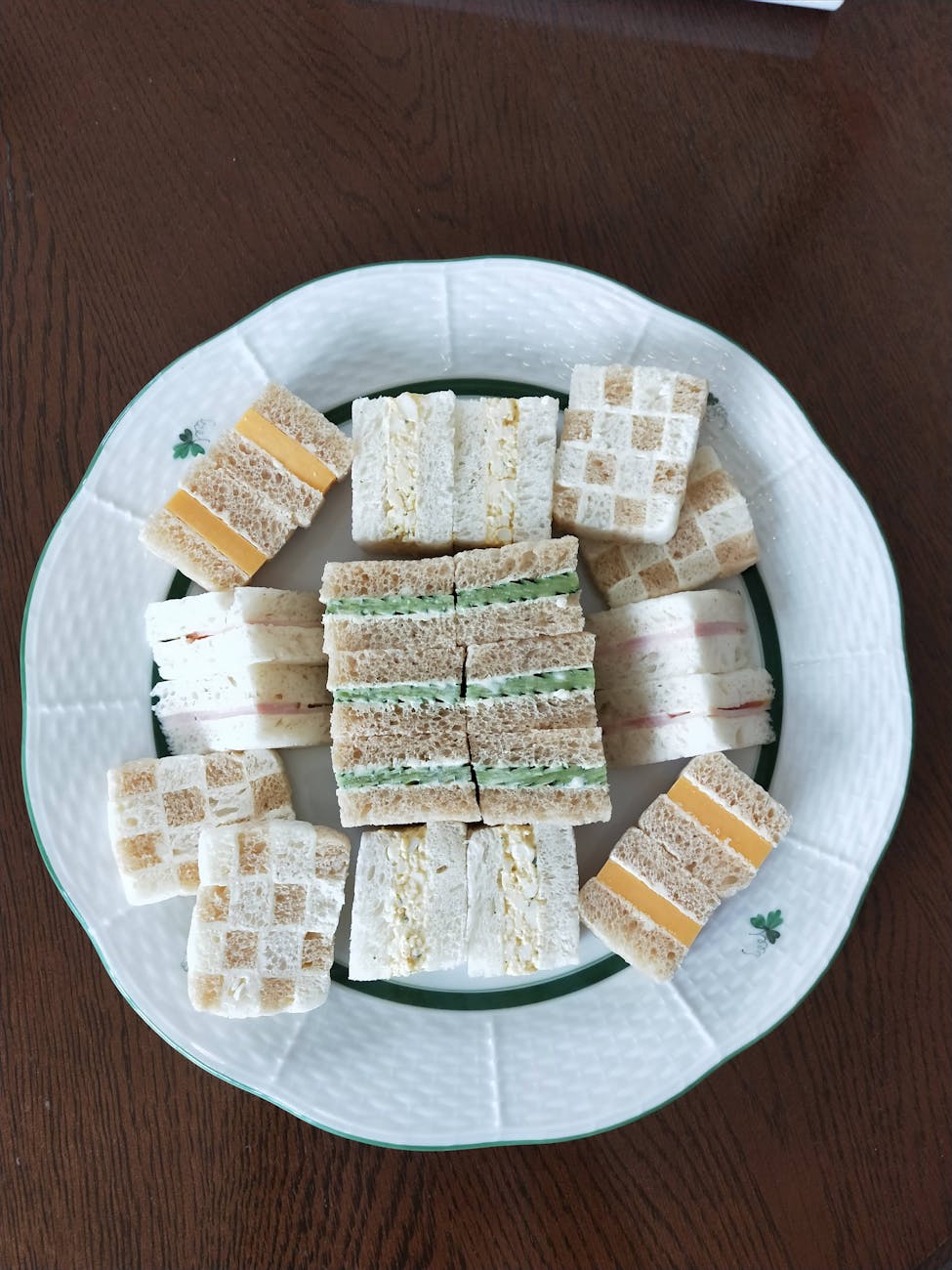
But there was one part of my job that always made me feel a little awkward, maybe because of my own background. You see, whenever the ballet company was putting something on at our regional performing arts center, it was my job to stand at a little desk outside of this place called the Founders Room; it was the VIP area reserved for top tier donors and their guests. The Founders Room was a luxurious lounge with elegant furniture and art and little trays of sweets and finger sandwiches set out for whoever got to come in.
I was meant to stand there to greet our top donors as they arrived, but also to make sure that other people did NOT come in. The privacy and the exclusivity of the space was the point, of course, not just the finger sandwiches.
But at nearly every performance, someone would come up to the door, or at the very least walk slowly past, peering in at the room and at the small group of wealthy people mingling inside…and a certain look would come across their face. It was some combination of curiosity and wistfulness, almost as if they knew it was not for them, but they couldn’t help wondering what it would be like to come inside. A few would ask me what it was, and I would tell them as graciously and apologetically as I could that, no, it was not open to them. You had to be on the list.
So there I was in my cheap suit, like St. Peter at the pearly gates, casting the unworthy back down into the bowels of the lobby where they’d have to stand in line and buy their own finger sandwiches.
And I have to admit, it just made me a little sad to stand guard in that way–to be the keeper of a party not everyone was invited to. I got tired of VIP lists and inner circles. Who knows, maybe that’s partly why I felt drawn to the priesthood in that season of my life.
Because the thing about church (at its best), and the thing about the Kingdom of God, is that everyone is invited to the party. With all due respect to St. Peter, at least this side of eternity there are no gates and guest lists—just one open door, one table, one host. And that’s the only way I want to live. That’s the only way I think we are truly meant to live.
But for whatever reason, we struggle with this. Generation after generation, outside the church and sadly sometimes inside it too, we still find people standing at the threshold wanting to determine who’s in and who’s out. Maybe we even find ourselves buying into such notions from time to time.
The rich young man in today’s Gospel is certainly one such person. Before we get too hung up on Jesus’ words about wealth, first we have to understand the mistake that this earnest man has made in his question about inheriting eternal life. And it is essentially his mistake is this: he has misunderstood the Kingdom of God to be something like the Founders Room.
He has learned, somewhere along the way, that God’s domain must be a private and exclusive place, reserved only for the virtuous and the successful, where there is milk and honey and trays of finger sandwiches as far as the eye can see. You just have to be good enough or holy enough or know the right people or pray the right prayer.
And we might shake our heads at the young man for his folly, but we also might want to be careful. Because while we might not be keepers of the law in the same way he was, most of us have bought in to certain standards and expectations and identities that we are convinced will help us solve the problem of ourselves. If we just try a little harder, if we just work at it a bit more, if we just buy that one thing or get that one particular ideology to win out over the others, then, then all will be well and our God and our neighbor will smile on us and we will have mattered. We will be on the list.
And so we might imagine that rich young man approaching Jesus as if he were standing at that little desk in the lobby, looking in at the room beyond and asking, “Good Teacher, what must I do to get in?”
But here’s the thing, my friends. Here’s the thing that will save the world in the end. Jesus looks at him and loves him and says, in so many words, “my beloved child, that’s not the Kingdom of Heaven.” That’s not the thing you are seeking. Heaven is not a private reserve for the privileged few names on a list. And anyone who tells you that it is has fundamentally misunderstood the nature of God.
God is in the hubbub of the crowded lobby, where people are standing in line for overpriced drinks and make new friends. God is out where little ones in ballerina dresses tug at their parent’s coats and dream big dreams and where people bump into each other say they’re sorry and where it’s all a little messy but there’s room enough for everyone. That’s where God is. That’s where heaven will emerge.
And if you have spent your whole life storing up treasure and accomplishments and status symbols to try to wheedle your way into that little room, I’m telling you right now—you don’t have to do that anymore. Get rid of all that. Let it go. Come and follow Jesus out into the crowd as we all wait together for the dance to begin.
But at least on this day, in this instance, well…I guess the young man really wanted to taste those finger sandwiches. So he goes away, shocked and disappointed, curious and wistful. We might hope and imagine that eventually he comes back.
It’s funny…throughout the gospels, Jesus is actually somewhat ambivalent about money—he dines with and calls people from all sorts of backgrounds, he is noncommittal about those coins with Caesar on them and he is unbothered by costly jars of ointment poured on his feet. And he loves a good feast.
What bothers Jesus is when people decide that money is God, when we all know that love is God. He has pity on those who have forgotten this, and he has anger for those who knowingly exploit this lie to their own advantage, or to keep others down. But mostly, Jesus is patient, and he waits for us to realize our mistake and to follow him…and to discover where the true party is at.
And you know what, St. Anne, I am grateful every day of my life that now I get to stand at that door each morning and say, unequivocally to every single person who passes through—you belong here. You are on the list, because everybody is. You are worthy, because there is nothing you can do to make God love you any less. All we have to do is step in and join the celebration and let the love and the hospitality that pervades this space make us more loving and hospitable, too.
And that’s one difference about gathering pledges and donations for a community like this instead of what I used to do. Like the ballet, we, too, are committed to building something beautiful and lasting and inspiring and dynamic, but here we are not just audience members with varied levels of access. We are the art itself.
We are the practitioners of a love without gatekeeping, of a belonging without list-making, and a truth without exclusivity. That’s worth everything and anything that we can afford to give to it—our resources, yes, but most importantly, our hearts.
So I’ve let go of most of my cheap suits in favor of this priestly outfit that I don’t even own—an outfit that is pure gift. And I don’t stand at a little desk in a lobby these days, checking my list.
Instead, I get to stand up here, by God’s grace, looking out at all of you. And it’s true, we might look up at this altar with our own mixture of curiosity and wistfulness sometimes, but it is my distinct pleasure to tell you: this is for you. It has always been for you. We don’t have finger sandwiches, but we do have the bread of life. And we have each other.
Come on in.
 By Another Road